
Best Practices for OFAC Checking in a World That Changes Overnight
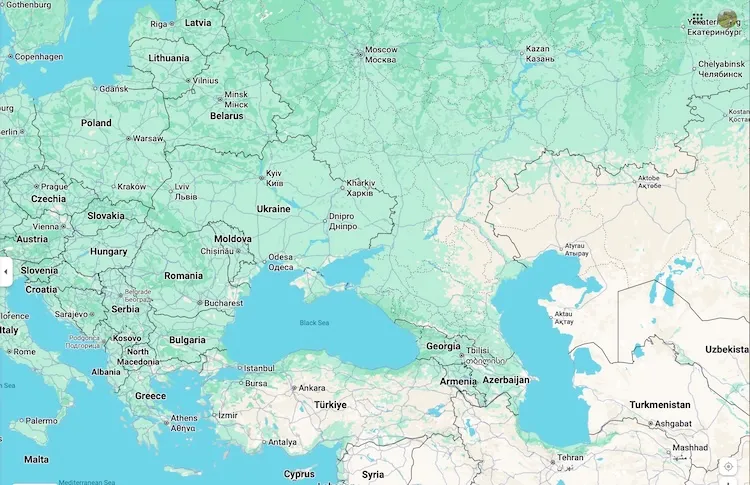
It’s Tuesday morning. Your accounts payable (AP) team is rushing to get payments out the door. Overnight, news broke out of another tense meeting between global leaders – this time, President Trump, President Putin, and President Zelensky. By the time your AP clerk sits down at their desk, the geopolitical map has already shifted. OFAC and sanctions lists may have been updated.
A vendor you paid yesterday might suddenly be on a restricted list today.
Now imagine your team is still trying to keep up with these changes using manual Office of Foreign Assets Control (OFAC) checks. Searching government websites. Copy-pasting vendor details into outdated spreadsheets. Trying to interpret names and variations across languages. By the time your team has “cleared” a vendor, the world may already have moved on. And the risk of making a mistake – missing a match or delaying a payment – is higher than ever.
That’s the reality for businesses that don’t automate OFAC screening.
And in today’s global environment, the margin for error is shrinking fast.
What Is Automated OFAC Checking and How Does It Work?
Automated OFAC checking screens vendors against the U.S. Treasury’s sanctions lists – in real time, without the need for repetitive manual lookups. Here’s how automated OFAC checking works:
- Continuous monitoring. Vendors and payees are automatically checked against the latest OFAC lists and other sanctions databases every time their information is created, updated, or used in a transaction. This eliminates the lag between updates and ensures compliance decisions are always based on the most current data. Without it, an organization could unknowingly transact with a newly restricted entity before anyone catches it.
- Fuzzy matching. Automated OFAC checking tools detect variations in names, addresses, or spelling that humans might miss. Fraudsters often disguise themselves by altering one or two characters, but advanced algorithms can catch these tricks instantly. This reduces the likelihood of both false negatives and wasted time chasing false positives.
- Alerts and audit trails. Suspicious matches trigger alerts, while OFAC and sanctions screening results are logged for audit and compliance purposes. This creates a permanent record of diligence efforts, which is critical during regulatory reviews or internal audits. It also helps AP teams trace back and resolve disputes quickly if questions arise later.
- Integration. Automated OFAC checking plugs into an organization’s vendor onboarding process, AP system, or enterprise resource planning (ERP) or accounting software to make compliance seamless. Staff don’t have to jump between systems or rely on memory to perform OFAC and sanctions checks. This reduces errors, speeds up approvals, and ensures compliance isn’t skipped because of workflow inefficiencies.
The Benefits of Automated OFAC Checking
Automating OFAC and sanctions screening provides critical advantages in a volatile world:
- Speed. Real-time checks mean no delays to payments or onboarding. Faster processing keeps a business moving while still staying compliant. In competitive industries, that agility can make the difference between keeping and losing a vendor relationship.
- Accuracy. Advanced matching reduces false positives and prevents missed matches. By minimizing manual review errors, organizations lower their risk of fines and regulatory penalties. This also builds confidence with stakeholders that compliance is consistent and reliable.
- Consistency. Every vendor and payment is screened against the same standard, every time. There’s no variation based on who is working or how busy the team is. This standardization not only strengthens compliance but also makes it easier to train staff.
- Auditability. Detailed logs and reporting support internal audits and regulatory exams. Regulators increasingly expect proof of screening processes, not just assurances. Having data instantly available saves time, reduces stress, and demonstrates professionalism.
- Risk reduction. Minimize the chance of fines, reputational damage, or inadvertently funding a restricted entity. Protecting the business from even one slip-up can justify the investment in automation. In today’s fast-moving geopolitical climate, this protection is priceless.
Picture this: Another global summit takes place tomorrow, and new sanctions are issued overnight. A business with automated OFAC checking wakes up, processes its vendor payments as usual, and the system automatically flags a supplier newly added to the sanctions list. Payments are delayed, the compliance team is alerted, and the business stays protected. That’s the power of automation.
The Shifting Landscape: What If the Russia-Ukraine War Ends?
One of the biggest uncertainties on the global stage is the ongoing conflict between Russia and Ukraine. If that war were to end, the sanctions landscape could change dramatically – and quickly. Some restrictions could be lifted as part of peace agreements, while others might remain in place or even expand, depending on ceasefire agreements and the political climate. For businesses, this means compliance won’t get easier – it will simply get different. Automated OFAC checking ensures that when such seismic shifts occur, an organization doesn’t have to scramble to retool processes. Instead, updates flow directly into an organization’s system, and every vendor is screened against the latest version of the law, whether sanctions are tightening, loosening, or being rewritten altogether.
Key Considerations When Evaluating Automated OFAC Checking Solutions
There’s no question that automated OFAC checking solutions are critical in times like these.
But not all OFAC screening tools are created equal. Selecting the wrong OFAC checking software can set an organization back. These best practices are critical when evaluating OFAC solutions:
- Integration. Choose an OFAC checking system that plugs directly into existing vendor onboarding, AP, or procurement workflows so screening is seamless. Integration reduces the risk of skipping steps or delayed checks. It also ensures adoption by frontline staff, since compliance becomes part of their normal routine.
- Comprehensiveness. Ensure the tool checks against multiple watchlists (not just OFAC) and updates in real time. Global sanctions evolve quickly, and vendors may appear on more than one restricted list. Covering multiple sources gives organizations a broader safety net.
- Flexibility. Look for configurable rules that balance compliance requirements with operational efficiency. For example, the ability to set thresholds can reduce unnecessary alerts. This makes the solution practical to use day-to-day instead of overwhelming staff.
- Accuracy. Demand capabilities to reduce false positives and minimize noise. A high rate of false positives wastes valuable time and erodes trust in the system.
- Audit support. Select an OFAC solution that automatically logs results and provides clear reporting for regulators and auditors. A strong audit trail proves that an organization took every reasonable step to comply. This can be a lifesaver if regulators come calling.
- Scalability. Make sure the system can handle high transaction volumes without slowing staff down. As a business grows, so does its vendor base and transaction count. A scalable OFAC solution prevents bottlenecks and ensures compliance doesn’t become a growth limiter.
The Bottom Line
Global politics change faster than ever – and sanctions lists change with them. A business that relies on manual OFAC checking is always at risk of falling behind. Automated OFAC screening turns compliance from a fire drill into a built-in safeguard. It ensures payments go to the right places, at the right time, without exposing an organization to fines, reputational damage, or worse.
To find out more about VendorInfo’s automated sanctions screening, contact us.